10 Common Men’s Fashion Mistakes and How to Avoid Them
Looking stylish is not about buying expensive clothes or following every new trend. In most cases, it comes down to wearing clothes that fit, match the occasion, and work well together.
A few small mistakes can weaken an otherwise good outfit. The wrong trouser length, dirty shoes, or an oversized shirt may attract more attention than the clothes themselves.
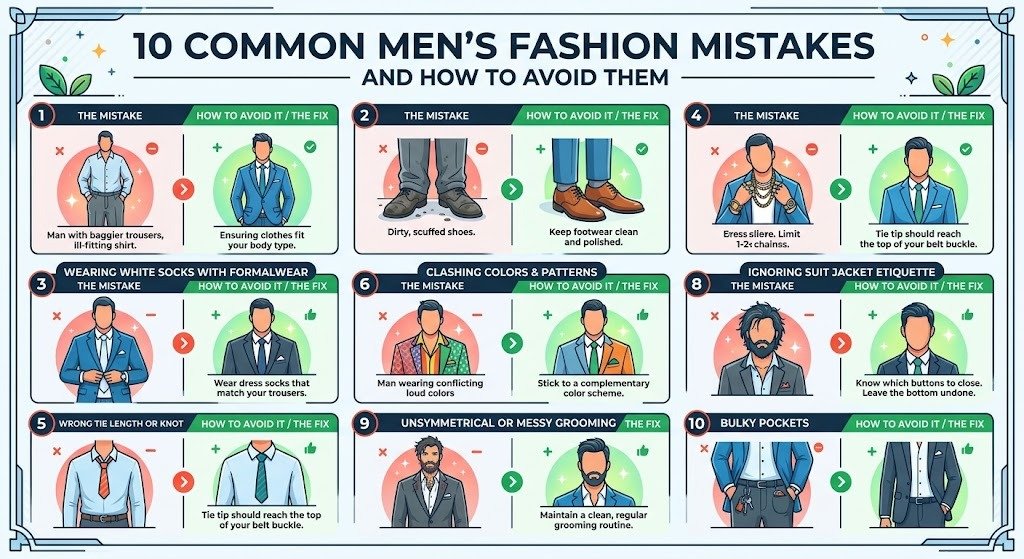
This guide covers 10 common men’s fashion mistakes and how to avoid them. You will also find practical fixes that can improve your appearance without replacing your entire wardrobe.
Key Takeaways
Proper fit matters more than price, brand, or current trends.
Your trouser length should work with the shoes you wear.
Match your outfit to the location, weather, and level of formality.
Use two or three main colors to keep outfits balanced.
Clean and maintain your shoes because they affect your whole appearance.
Avoid wearing too many logos, patterns, or statement pieces together.
Build your wardrobe around versatile basics before buying trend-focused items.
Your belt and dress shoes should belong to the same general color family.
Good grooming and clothing care are essential parts of personal style.
Comfort matters because uncomfortable clothes can affect your movement and confidence.
Why Do Men Make Fashion Mistakes?
Most men do not make style mistakes because they lack taste. The problem is often a lack of clear, practical guidance.
Clothing sizes also vary between brands. A medium shirt from one company may fit like a small or large shirt from another.
Trends can create more confusion. An outfit may look impressive in a styled photograph but feel impractical or unbalanced in daily life.
Common causes of men’s fashion mistakes include:
Buying without trying clothes on
Copying trends that do not suit your lifestyle
Choosing brands instead of focusing on fit
Keeping clothes that no longer fit
Ignoring footwear and accessories
Dressing without considering the occasion
Buying separate pieces without an outfit plan
Failing to maintain clothes properly
The good news is that most of these problems are easy to correct. You may only need a small alteration, a different color combination, or better clothing care.
Mistake 1: Wearing Clothes That Do Not Fit Properly
Poor fit is one of the most common men’s fashion mistakes. Clothes that are too tight can restrict movement, while clothes that are too large can hide your shape and look careless.
Good fit does not mean everything should be slim. Straight, relaxed, and oversized clothing can look stylish when the proportions feel intentional.
The goal is to choose clothes that follow your body comfortably. You should be able to sit, walk, reach, and bend without the fabric pulling or hanging excessively.
Signs Your Shirt Is Too Tight
Your shirt may be too tight if:
The buttons pull apart across your chest or stomach.
The fabric forms strong lines around your body.
The collar feels uncomfortable when buttoned.
You cannot move your arms freely.
The sleeves grip your upper arms.
The shirt rises significantly when you lift your arms.
Do not buy a tight shirt and depend on future weight loss. Choose clothes that fit your body as it is today.
Signs Your Shirt Is Too Large
Your shirt may be too large if:
The shoulder seams fall far beyond your shoulders.
The sleeves cover part of your hands.
Large amounts of fabric gather around your waist.
The collar sits away from your neck.
The untucked hem reaches far below your trouser pockets.
A relaxed shirt can have extra room, but the shoulders and length should still make sense.
How Trousers Should Fit
Trousers should sit securely at your waist without requiring an extremely tight belt. The pockets should lie flat rather than opening outward.
You need enough room through the seat and thighs to sit comfortably. The legs should fall cleanly without excessive pulling or bunching.
How to Fix Poor Fit
Try different sizes and cuts before buying. A straight fit from one brand may suit you better than a slim fit from another.
Use a tailor for simple adjustments such as:
Shortening trousers
Adjusting the waistband
Shortening shirt sleeves
Shaping a loose shirt
Shortening jacket sleeves
Shoulders are difficult and costly to alter. Make sure shirts, coats, and blazers fit properly across the shoulders before buying them.
Mistake 2: Ignoring Trouser Length
You can wear a good shirt, polished shoes, and an attractive jacket, but excessively long trousers may still make the outfit look unfinished.
Fabric that gathers heavily around your ankles can shorten the appearance of your legs. Trousers that are too short may also look accidental rather than stylish.
The correct length depends on the trouser shape and footwear.
What Is a Trouser Break?
A trouser break is the fold created where the trouser hem meets your shoe. You can choose no break, a slight break, or a fuller break.
A slight break is a dependable option for most men. The front of the trousers lightly touches the shoe while the back remains clean.
How Jeans Should Sit
Straight jeans can rest lightly on your sneakers or boots. A small amount of stacking may work for casual outfits, but large folds can make the jeans appear too long.
Slim jeans usually need a cleaner, shorter hem. Wide jeans can be longer, but they should not drag on the floor.
How Tailored Trousers Should Sit
Tailored trousers generally look best with little or no fabric gathering. The hem should create a clean line over dress shoes, loafers, or minimal sneakers.
Try on the trousers with the shoes you plan to wear. Different heel and sole heights can change how the hem falls.
How to Fix Trouser Length
Visit a tailor and ask for a hem adjustment. This is often one of the simplest and most affordable clothing alterations.
Take your intended shoes to the fitting. Tell the tailor whether you prefer no break or a slight break.
Avoid cutting or permanently altering trousers before washing them if the fabric may shrink. Check the care instructions first.
Mistake 3: Dressing for the Wrong Occasion
A good outfit can still be wrong if it does not suit the setting. Athletic clothing may be comfortable, but it is rarely appropriate for a formal dinner or job interview.
Being overdressed can also create discomfort. A full business suit may feel out of place at a casual outdoor gathering.
Before choosing your clothes, consider:
The venue
Time of day
Weather
Purpose of the event
Expected activities
Dress code
People attending
If you are unsure, ask the host or organizer. A short question is better than spending the event feeling uncomfortable.
What to Wear for a Casual Event
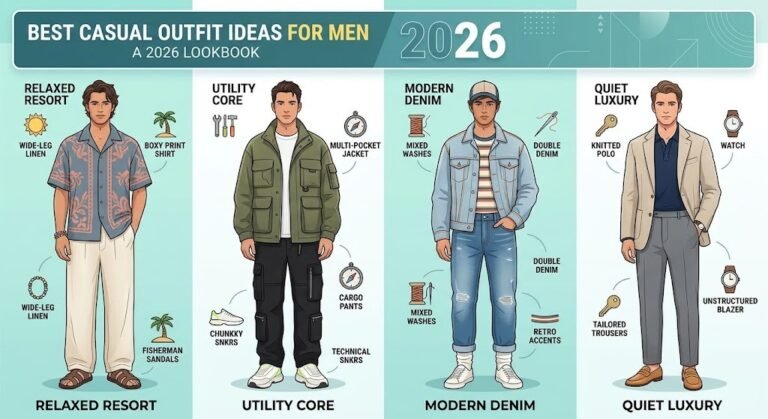
A simple casual outfit might include:
Plain T-shirt or polo
Jeans or chinos
Clean sneakers
Overshirt or casual jacket
You can add personality through color or accessories without making the outfit too formal.
What to Wear for a Smart-Casual Event
Try:
Oxford shirt or knitted polo
Chinos or tailored trousers
Loafers or minimal sneakers
Optional blazer
Dark jeans may work if they are clean and free from rips or heavy fading.
What to Wear for a Business Event
Choose:
White or light blue shirt
Navy or gray trousers
Leather shoes
Matching belt
Blazer or suit jacket, depending on the event
It is usually safer to dress slightly smarter when clients, senior colleagues, or interviewers are present.
What to Wear for a Formal Event
A dark suit, dress shirt, leather shoes, and appropriate accessories form a reliable formal outfit. Check whether the invitation requests a tie, tuxedo, or specific color.
Do not assume “formal” and “smart casual” mean the same thing. They require different levels of dress.
Mistake 4: Wearing Too Many Colors or Patterns
Color and pattern can make an outfit more interesting. Problems begin when several strong elements compete for attention.
A bright patterned shirt, check blazer, colorful trousers, bold socks, and statement shoes can be difficult to balance. The viewer may not know where to look.
You do not have to avoid color. You simply need a clear plan.
Use the Three-Color Rule
Try limiting your outfit to two or three main colors. Small details in other shades are fine, but the main pieces should feel connected.
For example:
Navy shirt
Beige chinos
White sneakers
You could add a brown belt or watch without making the outfit feel overly busy.
Use One Main Pattern
If you are new to patterns, use one noticeable pattern at a time. Pair a striped shirt with solid trousers and a plain jacket.
If you mix patterns, change their scale. A fine-striped shirt may work with a larger check jacket, but two similar patterns can clash.
Start With Neutral Colors
Build your outfit around:
Navy
Gray
White
Beige
Olive
Brown
Black
Cream
Light blue
Add one stronger color such as burgundy, rust, forest green, or mustard. This creates personality without losing balance.
Check Colors in Natural Light
Store lighting can change how a color appears. If possible, view the item near a window before buying it.
A navy shirt may appear black indoors, while a gray jacket may contain warm brown tones. Natural light will help you judge whether the item matches your wardrobe.
Mistake 5: Wearing the Wrong Shoes
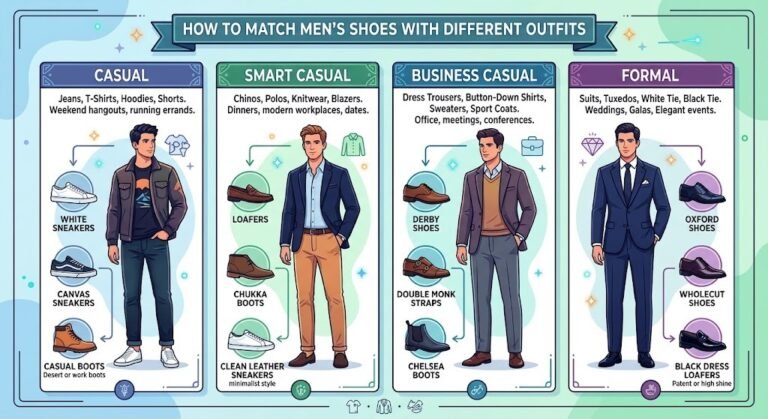
Shoes can change the formality and character of your entire outfit. Running shoes may weaken tailored trousers, while polished dress shoes may look too formal with distressed jeans.
The shoes should support the clothes above them. Consider color, shape, condition, and occasion.
Match Shoe Formality to Your Outfit
Use these simple combinations:
Suit with Oxford or Derby shoes
Tailored trousers with loafers or Derby shoes
Chinos with loafers, boots, or minimal sneakers
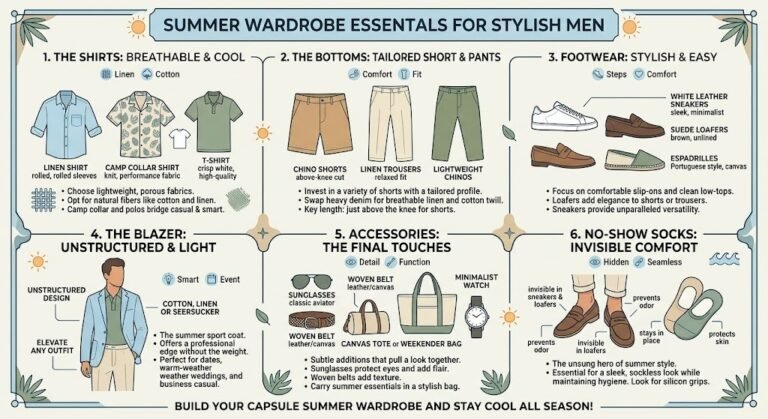
Jeans with sneakers, boots, or casual leather shoes
Shorts with sneakers, loafers, espadrilles, or sandals
Sportswear with athletic shoes
Some mixing is possible. Clean sneakers can work with a casual suit, but this combination may not suit a traditional workplace or formal wedding.
Balance the Shape
Chunky sneakers and rugged boots usually work better with straight or relaxed trousers. Narrow loafers and low-profile sneakers pair naturally with slimmer trousers.
A heavy boot under very tight jeans can make your feet appear unusually large. A thin shoe under extremely wide trousers may look too small.
Match Shoe Colors Correctly
Use these basic guidelines:
Black shoes with black, charcoal, gray, or formal navy clothing
Dark brown shoes with navy, blue, beige, olive, or gray
Tan shoes with lighter blue, beige, olive, or cream
Burgundy shoes with navy, gray, brown, or dark denim
White sneakers with most casual neutral colors
Your belt and leather shoes should belong to the same general color family. They do not need to match perfectly.
Keep Shoes Clean
Dirty footwear can weaken a good outfit immediately. Wipe your shoes regularly, clean the soles, and replace damaged laces.
Condition leather when it becomes dry. Let shoes rest between wears so they can air out and maintain their shape.
Mistake 6: Overusing Logos and Branded Clothing
A visible logo is not always a problem. The mistake is wearing several large logos or branded designs in the same outfit.
A logo-heavy shirt, branded belt, printed trousers, and statement sneakers can make your clothes feel more like advertising than personal style.
Simple clothing is often easier to combine. It also allows the fit, colors, and overall outfit to receive attention.
How to Wear Logos Well
Choose one main branded item and keep the rest of your outfit simple. For example, wear statement sneakers with a plain T-shirt and neutral trousers.
Small logos are generally easier to style than large prints. They also remain wearable when branding trends change.
Focus on Design Instead of the Label
Before buying, ask:
Does this fit properly?
Is the color useful?
Can I create three outfits with it?
Would I still like it without the logo?
Is it comfortable?
Does it suit my lifestyle?
If the brand name is the only reason you want the item, it may not be a smart purchase.
Mistake 7: Following Every Trend
Trends can help you update your style, but copying every trend can make your wardrobe expensive and inconsistent.
Not every popular fit, color, or item will suit your body or routine. A dramatic runway look may also be difficult to wear at work, on public transport, or during normal errands.
Use trends as options rather than instructions.
Build a Classic Foundation First
Start with versatile pieces such as:
Plain T-shirts
Oxford shirts
Dark jeans
Neutral chinos
Tailored trousers
Simple knitwear
Clean sneakers
Leather shoes
Practical outerwear
Once your foundation is ready, add one or two current pieces. This allows you to experiment without rebuilding your wardrobe each season.
Add One Trend at a Time
If you want to try wider trousers, pair them with a simple fitted or regular shirt. If you choose an oversized jacket, keep your trousers controlled.
Wearing several unfamiliar shapes together can make it harder to judge the proportions.
Use Low-Cost Items for Experiments
Try a trend through a shirt, accessory, or secondhand item before making a large investment. Wear it several times and see whether it fits your daily life.
Spend more only after confirming that you enjoy the style and can create several outfits with it.
Keep Your Personal Style
A trend should support your preferences rather than replace them. You can adapt a popular idea through color, fit, or accessories.
If you dislike an item, you do not need to wear it just because it appears frequently online.
Mistake 8: Neglecting Clothing Care
Even high-quality clothing can look poor when it is wrinkled, stained, faded, or damaged. Proper care protects both your appearance and your budget.
You do not need special equipment for every item. A few consistent habits can keep your wardrobe presentable.
Read the Care Label
Check the washing temperature, drying instructions, and whether the item requires special treatment. Ignoring the label can lead to shrinking, fading, or damaged fabric.
Use the correct amount of detergent. More detergent does not always produce cleaner clothes and may leave residue.
Treat Stains Quickly
Blot stains instead of rubbing them aggressively. Check the fabric instructions before applying any cleaning product.
Do not place a stained garment in a hot dryer until the mark is gone. Heat may make some stains harder to remove.
Iron or Steam Your Clothes
Wrinkles are highly visible on shirts, trousers, and lightweight jackets. Iron or steam these items before an important event.
Hang clothes promptly after washing or steaming. This helps preserve the smooth finish.
Store Clothes Correctly
Use supportive hangers for shirts, coats, and jackets. Thin wire hangers may distort the shoulders of heavier clothing.
Fold sweaters and knitted shirts. Hanging them for long periods can stretch the shoulders and body.
Make Small Repairs Early
Fix loose buttons, open seams, and small tears before the damage becomes worse. Keep a basic sewing kit at home for quick repairs.
A tailor or shoe repair specialist may be able to save an item that would otherwise need replacing.
Mistake 9: Ignoring Accessories and Small Details
Accessories are not the main part of an outfit, but they help make your clothing feel complete. The wrong accessories can also create distractions.
Common issues include an overly long tie, a worn belt, athletic socks with dress shoes, or too many pieces of jewelry.
Start with a small collection of practical accessories.
Choose the Right Belt
Your belt should fit comfortably using one of the middle holes. The extra length should pass through the first belt loop without extending far around your waist.
For formal outfits, wear a black belt with black shoes and a brown belt with brown shoes. Casual outfits allow more freedom with woven and canvas belts.
Wear Suitable Socks
With formal trousers, choose socks long enough to cover your leg when you sit. Navy, charcoal, black, brown, and burgundy are dependable colors.
White athletic socks work with sneakers and sportswear. They may look disconnected with formal leather shoes and a business suit.
Keep Jewelry Controlled
A watch, ring, bracelet, or subtle chain can add personality. You do not need to wear all of them together.
If one piece is large or bright, keep the others simple. Your accessories should support the outfit rather than compete with it.
Check Your Pockets
Overfilled pockets can distort the shape of trousers and jackets. Carry only what you need or use a small bag.
Avoid placing a large wallet, phone, keys, and several other objects in one trouser pocket. The resulting bulge can ruin the line of the garment.
Wear the Correct Tie Length
The tip of a traditional tie should reach around the middle of your belt buckle. A tie that ends at your chest or hangs far below your belt will look incorrectly sized.
Choose a knot that suits your collar and does not appear excessively large.
Mistake 10: Forgetting That Grooming Is Part of Style
Clothes are only one part of your appearance. Hair, facial hair, nails, skin, and hygiene all affect how an outfit is perceived.
You do not need a complicated grooming routine. Basic cleanliness and regular maintenance are enough to make a difference.
Keep Hair Neat
Choose a haircut that suits your routine and that you can maintain. A style that requires 30 minutes every morning may not be practical if you prefer a quick routine.
Schedule trims before your hair becomes difficult to manage. Use a small amount of product rather than coating your hair heavily.
Maintain Facial Hair
If you have a beard or mustache, keep the edges and length controlled. Remove uneven growth that makes the shape appear accidental.
If you shave, use clean tools and care for your skin afterward. Irritation can often be reduced with better preparation and a gentler technique.
Keep Nails and Hands Clean
Trim your nails regularly and clean underneath them. Use hand cream if your skin becomes dry or cracked.
This small detail is especially noticeable during meetings, meals, and handshakes.
Use Fragrance Carefully
Fragrance should be discovered at close range rather than entering the room before you. One or two light applications may be enough, depending on the product.
Avoid mixing several strongly scented products. A scented body wash, deodorant, hair product, and fragrance can become overwhelming together.
Check Yourself Before Leaving
Take one minute to inspect:
Hair
Facial hair
Teeth
Collar
Shirt buttons
Trouser zipper
Belt
Socks
Shoes
Stains
Lint
Fragrance
This final check can prevent many easy-to-fix mistakes.
Other Men’s Style Mistakes Worth Avoiding
The ten mistakes above create many clothing problems, but a few additional habits deserve attention.
Buying Clothes Without an Outfit Plan
An item may look attractive by itself but fail to match anything in your wardrobe. This leads to more spending because you need additional clothes to make the first purchase work.
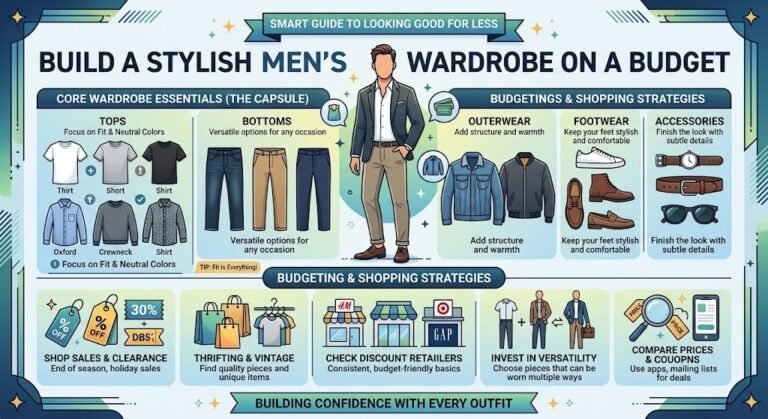
Before buying, create at least three outfits using pieces you already own. If you cannot do that, leave the item behind unless it fills a very specific need.
Take photographs of your wardrobe before shopping. This makes it easier to compare colors and avoid unnecessary duplicates.
Keeping Worn-Out Basics Too Long
People often become attached to comfortable T-shirts, jeans, and shoes. These pieces may remain in regular rotation long after they have become stretched, faded, or damaged.
Check your frequently worn basics every few months. Replace or repair items with permanent stains, loose collars, damaged soles, or severe fabric thinning.
Keep heavily worn clothes for home or practical tasks if they are still useful. Remove them from your regular social outfits.
Wearing the Wrong Undergarments
Visible undershirt lines, dark underwear under white trousers, and socks that slide down can distract from an outfit.
Choose undergarments based on your clothes:
Skin-toned or light gray undershirt under a white shirt
Seamless or well-fitted underwear under slim trousers
Longer dress socks with suits
Invisible socks with loafers when appropriate
Breathable underwear during hot weather
Your undergarments should support comfort without creating visible lines or bunching.
Buttoning a Blazer Incorrectly
Most modern two-button blazers are worn with the top button closed and the bottom button open. Unbutton the jacket before sitting to reduce pulling.
For a three-button jacket, the middle button is usually fastened. The top button is optional, and the bottom button remains open.
Never force a jacket to close if it creates a strong “X” shape across your chest. That usually means the jacket is too tight.
Wearing Too Much Fragrance
A strong fragrance can make other people uncomfortable, especially in offices, restaurants, and public transport.
Start with a small amount and increase only if necessary. Your nose becomes used to a scent quickly, so avoid repeatedly applying it because you can no longer notice it.
Store fragrance away from strong heat and direct sunlight. This can help protect its scent.
How to Fix Your Style Without Buying a New Wardrobe
You may already own everything needed to dress better. Start by improving how you wear and maintain your current clothes.
Step 1: Try Everything On
Check the fit of your shirts, trousers, jackets, and shoes. Separate pieces that need repairs or alterations.
Remove items that no longer fit your body or lifestyle.
Step 2: Create Reliable Outfits
Build at least five combinations for your normal week. Take photographs so you can repeat them quickly.
Include:
Two casual outfits
One smart-casual outfit
One work outfit
One event-ready outfit
This will reveal genuine wardrobe gaps.
Step 3: Clean and Repair
Wash or clean stained clothing according to its care instructions. Polish shoes, replace laces, sew buttons, and remove fabric pills.
Steam or iron the pieces you plan to wear. Small maintenance steps can make old clothes feel much better.
Step 4: Visit a Tailor
Take useful but poorly fitting clothes to a tailor. Ask which adjustments are realistic before agreeing to the work.
Start with easy changes such as trouser hems and sleeve lengths. Compare the alteration cost with the price of replacement.
Step 5: Buy Only What Is Missing
Create a short list based on your actual needs. Prioritize pieces that support several outfits.
Good first purchases may include:
Plain white or navy T-shirt
Dark jeans
Neutral chinos
White or light blue Oxford shirt
Clean sneakers
Brown leather shoes
Practical jacket
Avoid buying statement pieces while your everyday foundation still has major gaps.
A Simple Checklist for Avoiding Fashion Mistakes
Before leaving home, ask yourself:
Do my clothes fit comfortably?
Are my trousers the correct length?
Are my clothes clean and free from wrinkles?
Do the colors work together?
Is one item competing too strongly for attention?
Do my shoes suit the outfit and occasion?
Are my shoes clean?
Does my belt work with my footwear?
Is the outfit appropriate for the weather?
Am I comfortable enough to move naturally?
Are my pockets overfilled?
Is my grooming neat?
You do not need to pass complicated fashion rules. If the outfit is clean, balanced, comfortable, and appropriate, you are already making a strong choice.
Frequently Asked Questions
What is the biggest fashion mistake men make?
Wearing clothes that do not fit properly is one of the biggest mistakes. Poor fit can affect every type of clothing, from basic T-shirts to expensive suits.
Focus on shoulders, sleeve length, waistband comfort, trouser length, and freedom of movement. Use simple alterations when necessary.
How can a man improve his style quickly?
Start by cleaning your shoes, removing wrinkles, correcting trouser length, and wearing clothes that fit. These changes can improve your appearance without requiring a large shopping budget.
Build outfits around neutral colors and add one personal detail. Avoid changing everything at once.
How many colors should a man wear in one outfit?
Two or three main colors create a reliable and balanced outfit. Small details in other shades are usually fine.
Start with neutral colors and add one accent. This is easier than trying to coordinate several bright colors.
Is it bad for men to wear oversized clothes?
Oversized clothing is not automatically a mistake. It should look intentional and maintain balanced proportions.
Start with one oversized item and keep the rest of your outfit more controlled. Make sure the length and shape do not interfere with movement.
Should men always match their belt and shoes?
Men should generally coordinate belts and leather shoes in formal or business outfits. Black shoes work with a black belt, while brown shoes call for a brown belt.
The shades do not need to match exactly. Casual outfits allow more flexibility, especially with sneakers and canvas belts.
Are skinny jeans a men’s fashion mistake?
Skinny jeans are not always a mistake, but they should allow comfortable movement and avoid excessive pulling. A slim, straight, or relaxed shape may be more comfortable for many men.
Choose trousers according to your body and preferences rather than following one universal fit.
How should men combine patterns?
Begin with one main pattern and keep the other clothes simple. A striped shirt, for example, works easily with solid trousers and a plain jacket.
When mixing patterns, choose different scales. Pair a small pattern with a larger, less detailed one.
Can expensive clothes fix bad style?
No. Expensive clothes can still look poor when they do not fit, match the occasion, or work with the rest of your wardrobe.
Fit, coordination, condition, and confidence have a greater effect than the label.
How often should men replace their clothes?
Replace clothing when it is permanently stained, badly stretched, severely faded, damaged, or no longer fits. There is no fixed replacement schedule.
Regular care and small repairs can extend the life of most items.
What should every man check before leaving home?
Check the fit, cleanliness, wrinkles, trouser length, shoes, belt, pockets, and grooming. Make sure the outfit also suits the weather and occasion.
A one-minute inspection can catch most common men’s fashion mistakes before anyone else notices them.