Men’s Capsule Wardrobe: Everything You Actually Need
A packed closet does not guarantee that you have something useful to wear. In fact, too many random clothes can make getting dressed slower and more frustrating.
A men’s capsule wardrobe solves that problem with a small collection of versatile pieces. Each item has a clear purpose, works with several other clothes, and suits your real lifestyle.
This guide covers everything you actually need in a men’s capsule wardrobe. You will learn what to buy, which colors to choose, how many items you need, and how to create more outfits without spending carelessly.
Key Takeaways
A capsule wardrobe is a small collection of clothes that work together.
Your lifestyle, climate, workplace, and laundry routine should guide what you include.
Neutral colors make mixing and matching much easier.
Proper fit matters more than brand names or high prices.
Begin with everyday basics before adding formal or trend-focused clothing.
Every main item should support at least three realistic outfits.
You do not need to throw away your existing wardrobe and start again.
Build your capsule slowly and replace clothes only when necessary.
Seasonal storage can keep your active wardrobe small and practical.
Shoes, outerwear, and accessories should be included in your planning.
Quality means good fit, useful design, and reasonable durability—not simply a high price.
Your capsule wardrobe can still include color and personality.
What Is a Men’s Capsule Wardrobe?
A men’s capsule wardrobe is a carefully chosen collection of clothing, shoes, and accessories that can be mixed into many outfits. It focuses on versatility rather than quantity.
There is no official number of items that every man must own. Some people are comfortable with 25 pieces, while others need 40 or more because of work, weather, and social commitments.
The purpose is not to own as little as possible. It is to remove unnecessary choices and make sure most of your clothes are useful.
A good capsule wardrobe should help you:
Get dressed faster
Create several outfits from fewer items
Spend less on random purchases
Identify genuine wardrobe gaps
Keep your closet organized
Dress appropriately for common occasions
Understand your personal style
Buy replacements more carefully
Underwear, sleepwear, workout clothes, and specialized work uniforms are often counted separately. You can include them if doing so makes your planning easier.
Is a Capsule Wardrobe Right for You?
A capsule wardrobe can help if you own many clothes but regularly say you have nothing to wear. It is also useful if you want to improve your style on a limited budget.
You may benefit from a capsule if:
Your closet contains many items that do not match.
You repeatedly wear the same few outfits.
You make frequent impulse purchases.
You are moving or have limited storage.
You want a simpler morning routine.
Your job or lifestyle has recently changed.
You want to replace poorly fitting clothes.
You are unsure which wardrobe basics to buy first.
A capsule wardrobe does not work well when copied directly from someone else. A lawyer, student, remote worker, and outdoor guide will each need a different clothing mix.
Use standard capsule lists as a starting point. Adjust the final collection according to your own week.
How Many Items Should a Men’s Capsule Wardrobe Have?
A practical year-round men’s capsule wardrobe often contains around 30 to 40 main pieces. This usually includes tops, trousers, knitwear, jackets, shoes, and selected accessories.
You can begin with fewer items if your lifestyle is very casual or your climate remains stable. You may need more if you experience four distinct seasons or regularly move between casual and formal settings.
A balanced starter capsule could include:
7 to 10 casual and smart-casual tops
4 to 6 pairs of trousers
3 to 5 sweaters or middle layers
2 to 4 jackets and coats
3 to 5 pairs of shoes
1 suit
4 to 7 practical accessories
These numbers are flexible. Laundry frequency and clothing care also affect how many pieces you need.
Step 1: Understand Your Lifestyle
Before deciding what belongs in your capsule wardrobe, examine how you spend a normal month. Your clothing should support your real activities.
Write down how often you need clothes for:
Work
Commuting
Working from home
Casual weekends
Dates
Restaurants
Religious or community events
Weddings
Business meetings
Travel
Outdoor activities
Exercise
If most of your week is casual, T-shirts, jeans, chinos, overshirts, and sneakers should form the core of your wardrobe. If you work in a conservative office, shirts, tailored trousers, knitwear, and leather shoes deserve more space.
Do not build a formal wardrobe for a lifestyle that rarely requires it. At the same time, keep at least one dependable outfit for interviews, weddings, funerals, and important dinners.
Step 2: Review What You Already Own
You do not need to discard your wardrobe and buy everything again. Start by finding the useful pieces you already have.
Remove your clothes from the closet and separate them into these groups:
Keep
Repair or alter
Replace
Sell or donate
Seasonal storage
Unsure
Try on anything you have not worn recently. Check fit, comfort, condition, and whether it suits your current routine.
Keep an Item If It:
Fits comfortably
Is in wearable condition
Works with other clothes
Suits your lifestyle
Has been worn recently
Can support at least three outfits
Makes you feel confident
Do not keep an uncomfortable item only because it was expensive. Money already spent cannot make an unsuitable shirt or pair of trousers more useful.
Repair Before Replacing
Some clothes only need a simple improvement. Loose buttons, long trouser hems, worn laces, and open seams can often be fixed affordably.
A tailor may also be able to shorten sleeves, adjust a waistband, or shape a loose shirt. Ask for an estimate before replacing an otherwise useful item.
Step 3: Choose a Core Color Palette
A controlled color palette allows more of your clothes to work together. This is one of the most important parts of building a successful capsule wardrobe for men.
Choose two or three core neutrals, one light neutral, and one or two accent colors.
Core Neutral Colors
Reliable choices include:
Navy
Charcoal
Medium gray
Black
Brown
Olive
Beige
You do not need all of them. Pick the colors you already enjoy wearing and that suit your workplace.
Light Neutral Colors
Useful light shades include:
White
Off-white
Cream
Stone
Light gray
Light blue
These shades create contrast with darker jackets and trousers.
Accent Colors
Possible accent colors include:
Burgundy
Forest green
Rust
Dusty blue
Muted pink
Mustard
Deep red
Use accent colors in shirts, sweaters, socks, or accessories. Keep your most expensive pieces neutral so they remain easy to combine.
A Simple Capsule Color Palette
A beginner-friendly palette might be:
Main colors: Navy and gray
Supporting neutral: Beige
Light colors: White and light blue
Accent color: Olive or burgundy
Leather color: Dark brown
This palette can create casual, smart-casual, business, and evening outfits.
Step 4: Apply the Three-Outfit Rule
Before adding a new item, create at least three outfits with clothes you already own. These should be combinations you would genuinely wear.
For example, a navy crew-neck sweater could work with:
White T-shirt, dark jeans, and sneakers
Light blue shirt, beige chinos, and loafers
White shirt, gray trousers, and Derby shoes
That sweater earns its place because it supports several situations.
A bright jacket that only works with one shirt and one pair of trousers may not be a practical capsule purchase. You can still buy it if you love it, but it should not take priority over missing basics.
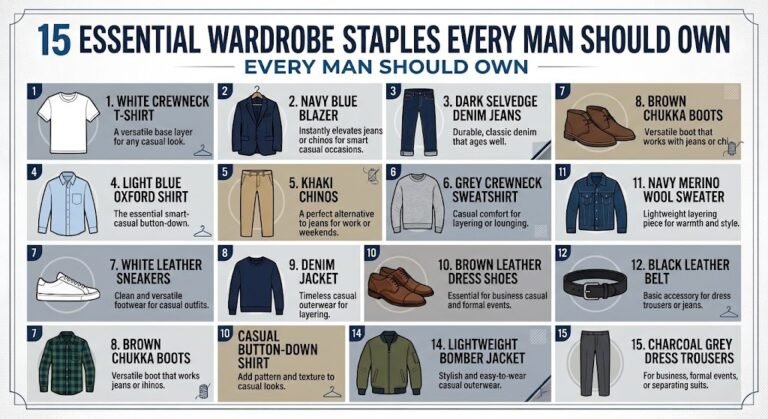
Essential Tops for a Men’s Capsule Wardrobe
Your tops should cover casual, smart-casual, and business needs. Choose fabrics according to your local climate.
1. Two or Three Plain T-Shirts
Plain T-shirts form the base of a casual capsule wardrobe. They can be worn alone or beneath overshirts, sweaters, jackets, and blazers.
Start with:
White
Navy
Gray
Black
Cream
You do not need every color. Choose two or three that work with your trousers and outerwear.
How a T-Shirt Should Fit
The shoulder seams should sit near your natural shoulders. The body should follow your shape without clinging or hanging excessively.
The hem should end around your waistband or upper hip. It needs enough length to stay in place when you move without covering most of your trouser pockets.
Choose fabric that feels comfortable and is not excessively transparent. A clean collar is especially important because stretched necklines can make a basic outfit look worn.
2. One Long-Sleeve T-Shirt
A plain long-sleeve T-shirt is useful during mild or cool weather. It can also work as a base beneath knitwear and jackets.
Choose navy, charcoal, white, or olive. Avoid an extremely tight fit if you plan to wear it by itself.
This item can be optional in a hot climate. Replace it with another short-sleeve T-shirt or lightweight shirt if that better suits your weather.
3. One White Button-Down Shirt
A white shirt prepares you for interviews, weddings, business meetings, and formal dinners. It can also be dressed down with jeans or chinos.
Choose a simple collar and fabric without a shiny finish. The shirt should close comfortably without pulling between the buttons.
A crisp dress shirt works best with suits and tailored trousers. A white Oxford shirt is more flexible if your lifestyle is mainly smart casual.
If possible, own one shirt that works with a tie. Check the collar fit while the top button is closed.
4. One Light Blue Oxford Shirt
A light blue Oxford shirt is one of the most useful items in a men’s capsule wardrobe. It sits comfortably between casual and formal clothing.
Wear it with:
Dark jeans
Beige chinos
Navy trousers
Gray trousers
Olive chinos
Tailored shorts
You can tuck it in for a polished appearance or leave it untucked when the hem is short enough. Roll the sleeves neatly for a relaxed outfit.
5. One Additional Casual Shirt
Your additional shirt gives you space for color, pattern, or texture. Choose something that fits your personal style while remaining easy to combine.
Good options include:
Blue and white striped shirt
Chambray shirt
Olive button-up shirt
Subtle check shirt
Cream linen shirt
Muted patterned short-sleeve shirt
Avoid buying a design that clashes with most of your trousers. A subtle pattern will usually offer more outfit options than a large, bright print.
6. One Polo Shirt
A polo is useful when a T-shirt feels too casual but a button-down shirt feels unnecessary. It works for casual offices, dates, lunches, and family gatherings.
Navy, white, olive, light blue, and burgundy are dependable colors. Choose one that adds variety to your existing shirts.
The collar should sit flat, and the sleeves should not squeeze your arms. Keep visible branding small if you want maximum flexibility.
7. One Knitted Polo or Textured Shirt
A knitted polo can make simple chinos or tailored trousers feel more polished. It is particularly useful for dates, dinners, and warm-weather smart-casual events.
Cream, navy, brown, olive, and burgundy are versatile choices. Select a lightweight knit if you live in a warm climate.
This piece is optional if you rarely need smart-casual clothing. You can replace it with another Oxford shirt or polo.
Essential Trousers for a Men’s Capsule Wardrobe
Your trousers should work with most of your tops. Fit, rise, and length are just as important as color.
8. One Pair of Dark Blue Jeans
Dark blue jeans can move between casual and smart-casual settings. Choose a clean wash without large rips, heavy fading, or excessive stitching.
A straight or slim-straight fit works for many men. The jeans should have enough room through the seat and thighs while falling cleanly over your shoes.
Wear dark denim with:
Plain T-shirts
Oxford shirts
Polos
Sweaters
Overshirts
Casual blazers
White sneakers create a relaxed outfit, while brown boots or loafers make the jeans look smarter.
9. One Additional Pair of Jeans
Your second pair can be black, medium blue, gray, or another dark indigo. Choose the color according to your preferred outfits.
Black jeans work particularly well for evening and monochrome looks. Medium-wash denim creates a more relaxed daytime appearance.
You may not need a second pair if you rarely wear jeans. Replace it with extra chinos or tailored trousers if they suit your routine better.
10. One Pair of Beige Chinos
Beige chinos are easy to combine with navy, white, blue, olive, brown, gray, and burgundy. They can be worn at work, on dates, during travel, or at weekend gatherings.
Choose a mid-rise pair with a straight or gentle taper. The pockets should lie flat, and the waistband should remain comfortable when you sit.
Pair them with:
White T-shirt and sneakers
Navy polo and loafers
Light blue Oxford shirt and Derby shoes
Olive overshirt and casual boots
Gray sweater and leather sneakers
11. One Pair of Navy, Olive, or Gray Chinos
Your second pair of chinos should provide a clear alternative to beige. Navy feels polished, olive adds an earthy color, and gray works with both warm and cool shades.
Choose the color that creates the most combinations with your tops. If you already own dark blue jeans and navy trousers, olive or gray may add more variety.
Avoid buying several trousers that look almost identical. Each pair should serve a clear purpose.
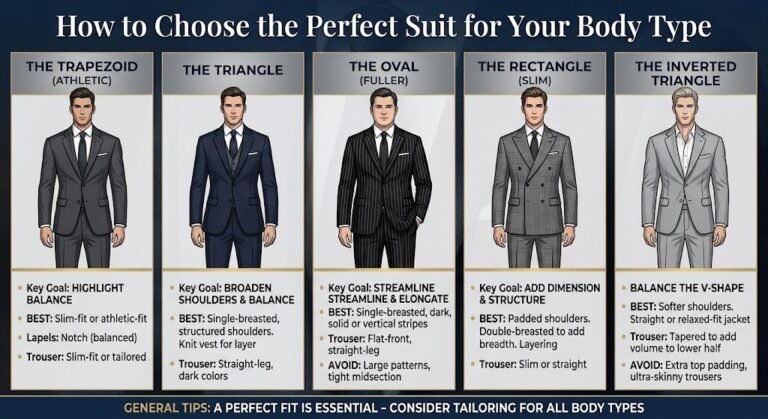
12. One Pair of Tailored Trousers
Tailored trousers prepare you for offices, dinners, presentations, and smart-casual events. Charcoal, medium gray, and navy are dependable options.
Choose trousers that can be worn separately rather than only with a matching suit jacket. They should work with shirts, polos, sweaters, and a blazer.
A mid-rise design with a straight or moderate taper suits many body types. The trouser hem should meet your shoes without heavy fabric gathering.
13. One Seasonal Trouser Option
Your final trouser choice should match your climate.
For warm weather, consider:
Linen-blend trousers
Lightweight chinos
Cream or stone trousers
Tailored shorts
For cooler weather, consider:
Corduroy trousers
Wool trousers
Heavy chinos
Dark flannel trousers
This item should work with at least three tops and two pairs of shoes.
Essential Knitwear and Middle Layers
Middle layers add warmth and create more outfit combinations. Keep them simple enough to wear over T-shirts and collared shirts.
14. One Navy or Charcoal Crew-Neck Sweater
A neutral crew-neck sweater is one of the most flexible layers you can own. It works over a T-shirt, Oxford shirt, polo, or thermal base.
Navy is easy to wear with beige, gray, olive, denim, and brown. Charcoal works well with black, navy, blue, and lighter trousers.
The sweater should fit comfortably over a shirt without pulling around your chest or underarms. Fold it for storage to avoid stretched shoulders.
15. One Lighter Sweater
A cream, light gray, beige, or muted blue sweater can brighten darker outfits. It is useful with navy trousers, jeans, olive chinos, and brown footwear.
Choose a crew neck, mock neck, or simple quarter-zip according to your preferences. Avoid highly technical or logo-heavy designs if you want broad versatility.
A light sweater can also create contrast beneath navy, charcoal, and olive outerwear.
16. One Cardigan, Hoodie, or Fleece
Choose this layer according to your lifestyle.
A cardigan works well for:
Offices
Smart-casual outfits
Dinners
Layering over shirts
A plain hoodie suits:
Travel
Weekends
Casual outfits
Layering beneath coats
A fleece is useful for:
Outdoor activities
Cold commutes
Relaxed clothing
Practical layering
You do not need all three in a small capsule. Select the option you will wear most often.
Essential Jackets and Outerwear
Outerwear is highly visible and often expensive. Choose pieces that suit your climate and can be worn with most of your wardrobe.
17. One Casual Overshirt or Lightweight Jacket
An overshirt adds structure to basic T-shirt outfits. It can also replace a jacket during mild weather.
Useful colors include:
Olive
Navy
Beige
Charcoal
Brown
Wear it with jeans, chinos, or tailored trousers. Cotton twill, denim, corduroy, and light wool blends can all work depending on the season.
A bomber, Harrington jacket, or chore jacket can replace the overshirt if it suits your style better.
18. One Weather-Appropriate Everyday Coat
Your main coat should protect you from the weather you actually experience. Do not choose a heavy wool coat for a mostly warm and rainy climate.
Possible options include:
Insulated parka for severe cold
Puffer jacket for cold and wind
Wool coat for smart winter outfits
Peacoat for moderate cold
Raincoat for wet weather
Field jacket for mild conditions
Lightweight shell for changeable weather
Try the coat over your usual layers. It should close comfortably without pulling across your chest or shoulders.
19. One Smart Jacket or Navy Blazer
A navy blazer can make T-shirts, polos, shirts, chinos, and tailored trousers look more polished. Choose an unstructured or softly tailored version if you want it to work in both casual and professional outfits.
The shoulders should fit correctly because they are difficult to alter. The jacket should button smoothly without creating a strong “X” across the front.
Wear it with:
White shirt and gray trousers
Light blue shirt and beige chinos
White T-shirt and dark jeans
Knitted polo and tailored trousers
Crew-neck sweater and chinos
If you never attend smart-casual events, this item can be optional. A clean casual jacket may offer more value.
20. One Dark Suit
Even a mostly casual capsule wardrobe should include an outfit for interviews, weddings, funerals, and formal events. A navy or charcoal suit is the safest option.
Choose a single-breasted, two-button jacket with matching trousers. Avoid a bold pattern if it is your only suit.
The shoulders should fit correctly, and the jacket should close comfortably. Budget for adjustments to the sleeves, waist, and trouser length.
Do not regularly wear the suit jacket as a blazer unless its fabric and structure work as a separate. Many formal suit jackets look incomplete without their matching trousers.
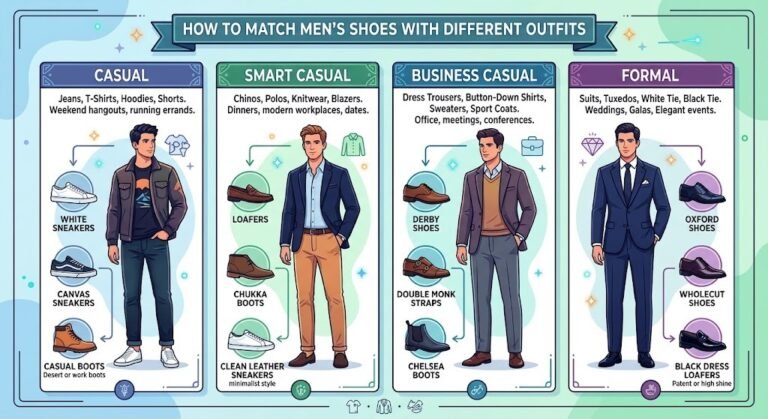
Essential Shoes for a Men’s Capsule Wardrobe
Shoes should cover casual, smart-casual, formal, and weather-related needs. You do not need several versions of the same style.
21. Clean White or Neutral Sneakers
Simple sneakers work with jeans, chinos, shorts, and some tailored trousers. White, off-white, gray, navy, and black are versatile colors.
Choose a low-profile design with limited branding. Clean laces and soles will help the shoes work in smarter casual outfits.
White sneakers require regular care. Off-white or gray may be easier if your daily environment is dusty or wet.
22. Dark Casual Sneakers
A darker pair gives you an alternative for bad weather and evening outfits. Black, dark brown, navy, or charcoal can work.
Use them with dark jeans, chinos, casual jackets, and monochrome clothing. Avoid shoes with too many bright athletic details if you want broad versatility.
This pair is optional if one neutral sneaker already meets your needs. Do not add it simply to reach a specific capsule number.
23. Brown Loafers or Derby Shoes
Dark brown leather or suede shoes can handle offices, dates, dinners, and smart-casual events. They pair well with navy, gray, beige, olive, and denim.
Derby shoes are useful when you need a slightly more traditional appearance. Loafers feel relaxed and work particularly well during warmer weather.
If your wardrobe contains mostly black and charcoal clothing, black shoes may be a better first choice.
24. Black Formal Shoes
Black Oxford or Derby shoes are useful with charcoal, black, and navy suits. They are a safe option for formal business settings, funerals, and evening events.
Choose a clean design without an exaggerated pointed toe or heavy decoration. Keep the leather polished and replace worn laces when needed.
If you rarely dress formally, one well-maintained pair is enough.
25. Weather-Appropriate Boots
Boots provide coverage and support during rain, cold, or difficult outdoor conditions.
Useful options include:
Brown Chelsea boots
Black leather boots
Suede chukka boots for dry weather
Weather-resistant lace-up boots
Insulated winter boots
Choose a streamlined design if you want to wear the boots with tailored trousers. Rugged boots work better with jeans, corduroy, and workwear-inspired clothing.
Your climate may make boots essential or unnecessary. Replace this category with sandals or another warm-weather shoe if appropriate.
Essential Accessories
Accessories should solve practical problems or add a small amount of personality. You do not need a large collection.
26. Two Belts
A simple capsule may include:
One dark brown leather belt
One black leather belt
Match the general belt color to your leather shoes during formal and business occasions. The shades do not need to be identical.
If you rarely wear black shoes, replace the black belt with a woven or casual belt.
27. A Simple Watch
A watch can complete casual and formal outfits. You do not need an expensive model.
Choose a clean face and a strap that suits most of your clothes. A leather strap feels traditional, while a simple metal bracelet can work across several settings.
If you already rely on your phone and do not enjoy watches, leave this item out. A capsule wardrobe should not contain accessories you never use.
28. Practical Socks
Your sock collection should include:
Comfortable everyday socks
Dark dress socks
Athletic socks
Seasonal warm socks, if needed
Invisible liners, if you wear loafers without visible socks
Dress socks should be long enough to cover your legs when you sit. White athletic socks work best with casual clothing and sneakers.
Replace socks when the elastic fails, the heels become thin, or holes appear.
29. One Tie
Keep at least one dependable tie if you attend interviews, weddings, business events, or formal gatherings. Navy, burgundy, or a subtle pattern will work with many suits.
Choose a tie width that relates to your jacket lapels. Avoid an extremely narrow or wide style if you want long-term versatility.
Store the tie untied to prevent permanent creases.
30. A Practical Bag
Your bag should match your routine and hold daily essentials without overfilling your pockets.
Possible choices include:
Clean backpack
Canvas tote
Leather or fabric messenger bag
Briefcase
Small crossbody bag
Weekend travel bag
Navy, black, brown, gray, and olive are easy to combine. Prioritize comfort and useful storage over visible branding.
31. Seasonal Accessories
Choose accessories according to your weather.
For cold conditions, consider:
Scarf
Gloves
Beanie
Warm socks
Umbrella
For warm conditions, consider:
Sunglasses
Cap or woven hat
Lightweight belt
Reusable water bottle
Compact umbrella
Store off-season items separately so your active wardrobe remains organized.
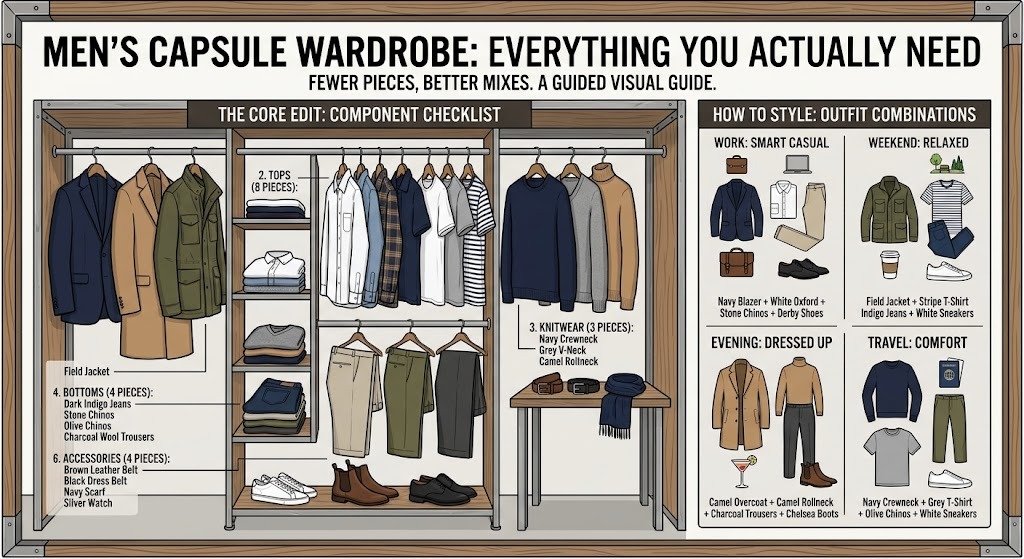
A Complete 32-Piece Men’s Capsule Wardrobe
The following list provides a practical starting point. Adjust it according to your job, climate, and preferences.
Tops: 9 Pieces
White T-shirt
Navy T-shirt
Gray or black T-shirt
Long-sleeve T-shirt
White button-down shirt
Light blue Oxford shirt
Casual patterned or textured shirt
Polo shirt
Knitted polo or second smart-casual shirt
Trousers: 5 Pieces
Dark blue jeans
Black or medium-wash jeans
Beige chinos
Olive, navy, or gray chinos
Charcoal or navy tailored trousers
Middle Layers: 4 Pieces
Navy or charcoal crew-neck sweater
Light gray or cream sweater
Cardigan, hoodie, or fleece
Overshirt
Jackets and Formal Clothing: 4 Pieces
Casual jacket
Weather-appropriate coat
Navy blazer
Navy or charcoal suit
Shoes: 5 Pairs
White or neutral sneakers
Dark casual sneakers
Brown loafers or Derby shoes
Black formal shoes
Weather-appropriate boots
Accessories: 5 Pieces or Groups
Brown belt
Black or casual belt
Simple watch
Tie
Practical bag
Socks, underwear, sleepwear, workout clothes, and specialized uniforms are not included. Count them separately based on your laundry routine.
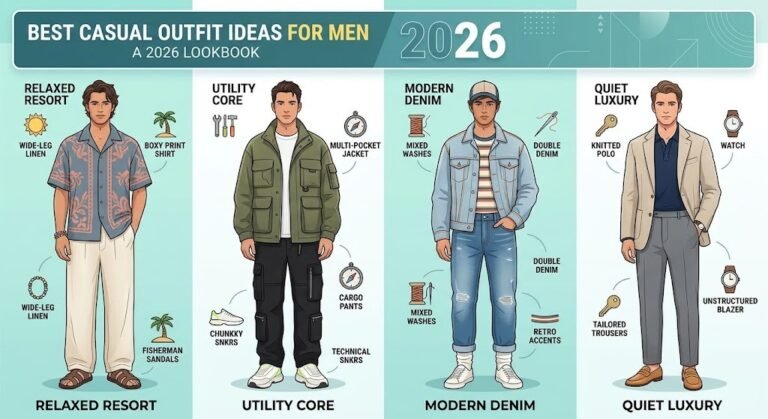
Outfit Ideas From a Capsule Wardrobe
A capsule becomes valuable when the pieces create several realistic combinations.
Everyday Casual Outfit
Wear:
White T-shirt
Dark blue jeans
Neutral sneakers
Olive overshirt
This works for errands, coffee, travel, and relaxed social plans.
Casual Weekend Outfit
Wear:
Navy T-shirt
Beige chinos
White sneakers
Casual jacket
Add a watch or simple cap if desired.
Smart-Casual Date Outfit
Wear:
Knitted polo
Gray tailored trousers
Brown loafers
Navy blazer
Remove the blazer if the venue is relaxed.
Casual Office Outfit
Wear:
Light blue Oxford shirt
Beige or olive chinos
Brown Derby shoes
Navy crew-neck sweater
This combination looks prepared without requiring a suit.
Creative Office Outfit
Wear:
White T-shirt
Tailored trousers
Navy blazer
Minimal sneakers
Make sure the T-shirt and sneakers are clean and in good condition.
Traditional Business Outfit
Wear:
White button-down shirt
Navy suit
Black or dark brown shoes
Matching belt
Navy or burgundy tie
Keep the shirt tucked and polish your footwear.
Evening Outfit
Wear:
Black or navy T-shirt
Black jeans
Dark casual sneakers or Chelsea boots
Charcoal jacket
A simple watch can complete the look.
Cold-Weather Outfit
Wear:
Long-sleeve T-shirt
Crew-neck sweater
Dark jeans
Boots
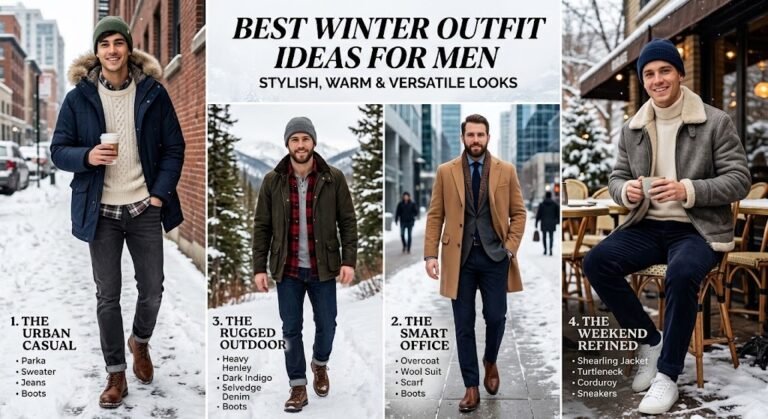
Winter coat
Scarf and gloves
Make sure each layer fits comfortably beneath the next.
Warm-Weather Outfit
Wear:
Polo shirt
Lightweight chinos or tailored shorts
White sneakers or loafers
Sunglasses
Choose breathable fabric and a relaxed but controlled fit.
Wedding Guest Outfit
Wear:
Navy or charcoal suit
White or light blue shirt
Dark leather shoes
Matching belt
Optional tie
Follow the invitation before removing the tie or replacing dress shoes with loafers.
How to Create More Outfits With Fewer Clothes
A capsule wardrobe should feel flexible rather than repetitive. Small changes can make the same clothes suitable for different settings.
Change the Footwear
A light blue shirt and beige chinos look casual with white sneakers. The same clothes feel smarter with brown loafers.
Shoes often create a bigger change than adding another shirt.
Add or Remove a Layer
A white T-shirt and dark jeans create a basic casual outfit. Add an overshirt for structure or a navy blazer for a smarter appearance.
A sweater can also make the outfit suitable for cooler weather.
Tuck or Untuck the Shirt
Tucking in an Oxford shirt creates a more polished appearance. Leaving it untucked can make the same outfit feel relaxed.
Only leave the shirt untucked if the hem is short enough. A long dress shirt may look untidy outside the trousers.
Use Accessories Carefully
A belt, watch, scarf, or tie can change the character of an outfit. Choose one or two details rather than wearing every accessory at once.
Accessories should support your clothing, not compete with it.
Repeat Clothes Confidently
You do not need a different outfit every day of the month. Repeating well-maintained basics is a normal part of capsule dressing.
Change the shirt, footwear, or outer layer to create variety.
How to Build a Capsule Wardrobe on a Budget
A capsule wardrobe can reduce long-term spending, but the initial shopping list may still look expensive. Build it gradually rather than buying everything at once.
Set a Monthly Budget
Choose an amount that does not interfere with essential expenses. Save part of that budget for alterations, repairs, and shoe care.
One good item each month can create a stronger wardrobe than several rushed sale purchases.
Buy in Priority Order
A sensible order for a casual lifestyle is:
Plain T-shirts
Dark jeans
Neutral chinos
Clean sneakers
Oxford shirt
Sweater
Casual jacket
Tailored trousers
Smart shoes
Blazer and suit
Move formal clothing higher if you have an interview, wedding, or new office job.
Shop With a Written List
A shopping list protects you from buying duplicate items or colors that do not work with your capsule.
Include the exact item, preferred colors, and maximum budget. Do not replace a needed navy sweater with a bright patterned one simply because it is discounted.
Consider Secondhand Clothing
Secondhand stores and resale platforms can offer strong value for:
Coats
Blazers
Suits
Leather shoes
Denim
Knitwear
Bags
Inspect the condition carefully. Include cleaning, repair, and alteration costs before deciding whether the item is affordable.
Use Alterations
Small adjustments can improve affordable clothing significantly. Trouser hems, sleeve lengths, and waist shaping are often worth considering.
Buy for the shoulders and widest areas first. A tailor may be able to refine other parts.
How to Adapt a Capsule Wardrobe for Each Season
You do not have to keep every item in your active closet throughout the year. Rotate seasonal pieces when the weather changes.
Spring Capsule Adjustments
Add:
Lightweight overshirt
Rain jacket
Medium-weight chinos
Oxford shirts
Neutral sneakers
Store the heaviest coats and insulated boots when they are no longer needed.
Summer Capsule Adjustments
Use:
Breathable T-shirts
Polos
Linen or lightweight shirts
Tailored shorts
Lightweight chinos
Minimal sneakers
Loafers or sandals
Store thick knitwear and heavy outerwear. Keep one light layer for cool evenings and air-conditioned spaces.
Autumn Capsule Adjustments
Bring back:
Crew-neck sweaters
Flannel shirts
Corduroy trousers
Boots
Casual jackets
Medium-weight coats
Earth tones such as olive, brown, rust, and burgundy can work naturally with your existing neutrals.
Winter Capsule Adjustments
Add:
Thermal base layers
Warm knitwear
Wool trousers
Weather-resistant boots
Insulated coat
Scarf, gloves, and hat
Keep indoor outfits complete so you can remove your coat without relying on it to make the clothing look finished.
Common Capsule Wardrobe Mistakes
Copying Someone Else’s List Exactly
Another person’s capsule may not suit your job, climate, or social life. Use recommended lists as examples rather than fixed rules.
Track what you genuinely wear for a few weeks before finalizing your collection.
Buying Everything at Once
Your preferences may change as you test new fits and combinations. Buying slowly gives you time to learn what works.
Start with the biggest wardrobe gaps and wear each purchase before adding more.
Choosing Only Black Clothing
An all-black wardrobe can work, but it may limit variety. Navy, gray, olive, beige, white, and brown are also easy to combine.
A balanced palette can create more visible differences between repeated outfits.
Ignoring Fit
A small wardrobe will not function well if the clothes are uncomfortable. Check shoulders, chest, waist, hips, thighs, sleeves, and trouser length.
Choose fit before price or brand.
Buying Too Many Similar Items
Five nearly identical navy shirts do not create much variety. Give each piece a clear role.
One navy polo, one light blue Oxford shirt, and one blue striped shirt may offer more useful combinations.
Focusing Only on Casual Clothes
Keep at least one outfit for interviews, weddings, funerals, and formal dinners. These events often arrive with little notice.
A dark suit, white shirt, leather shoes, and simple tie can cover many formal situations.
Forgetting Shoes and Outerwear
Shoes and coats are part of the outfit. A small clothing collection will still feel incomplete without suitable footwear and weather protection.
Include them in your budget from the beginning.
Keeping Damaged Basics
A stretched T-shirt or badly worn sneaker is no longer a dependable capsule item. Repair or replace heavily used basics when needed.
Inspect your core pieces every few months.
How to Maintain Your Capsule Wardrobe
Good care reduces replacement costs and keeps repeated outfits looking presentable.
Follow Care Labels
Check washing temperatures, drying instructions, and special fabric requirements. Incorrect care can cause shrinking, fading, or loss of shape.
Do not assume every shirt or pair of trousers can be washed the same way.
Avoid Unnecessary Washing
Some clothes can be aired out and worn again if they are clean and odor-free. Overwashing may fade colors and weaken fabric.
Underwear, socks, and heavily soiled items should still be washed after use.
Treat Stains Quickly
Blot stains rather than rubbing them aggressively. Use a suitable cleaning method for the fabric.
Do not apply strong products without testing a hidden area first.
Store Clothes Correctly
Hang shirts, trousers, jackets, and coats on suitable hangers. Fold sweaters to prevent stretched shoulders.
Clean footwear before storage and allow it to dry fully. Use shoe trees if available.
Review the Capsule Regularly
Every three to six months, ask:
What did I wear most often?
Which items remained unused?
What needs repair?
What no longer fits?
Which outfit was I unable to create?
Do I own unnecessary duplicates?
Has my work or lifestyle changed?
Use your answers to make small updates rather than rebuilding the entire collection.
Frequently Asked Questions
How many clothes should be in a men’s capsule wardrobe?
Around 30 to 40 main pieces can work for many men, including shoes and outerwear. Some people need fewer, while others require more for work or seasonal weather.
The best number is the smallest collection that comfortably supports your real life and laundry schedule.
What should be in a basic men’s capsule wardrobe?
Start with plain T-shirts, Oxford shirts, dark jeans, neutral chinos, tailored trousers, knitwear, a casual jacket, suitable outerwear, sneakers, and smart shoes.
Add a navy or charcoal suit for interviews, weddings, funerals, and other formal occasions.
What colors are best for a men’s capsule wardrobe?
Navy, gray, white, beige, olive, brown, black, and light blue are easy to combine. You do not need to own every neutral color.
Choose two or three main neutrals and add one or two accent colors that you enjoy wearing.
Can a capsule wardrobe include bright colors?
Yes. A capsule wardrobe does not have to be plain or colorless.
Use brighter colors in shirts, knitwear, socks, or accessories. Keep expensive pieces such as coats, suits, and shoes more neutral for greater flexibility.
How do I start a capsule wardrobe without buying new clothes?
Review what you already own and create outfits from your best-fitting pieces. Repair useful clothes, remove unsuitable items, and identify genuine gaps.
Only shop after making a specific list. You may already own most of the foundation.
Is a capsule wardrobe cheaper?
It can reduce unnecessary spending because you buy fewer items and plan each purchase. You may also get more wear from every piece.
A capsule is not automatically cheap if you replace everything at once. Build it gradually and use clothes you already own.
How often should I update my capsule wardrobe?
Review it every three to six months or when the season changes. Replace items only when they are damaged, no longer fit, or stop supporting your lifestyle.
Small adjustments are usually enough. You do not need a completely new wardrobe every year.
Do shoes count in a capsule wardrobe?
Yes. Shoes affect the formality, comfort, and practicality of your outfits.
A basic collection may include neutral sneakers, smart brown shoes, black formal shoes, and weather-appropriate boots.
Does a suit count as one item or two?
You can count a suit as one outfit or as two separate pieces. The counting method is less important than whether the suit serves a clear purpose.
Avoid focusing too heavily on the final number. Usefulness and outfit variety matter more.
Can I have separate work and casual capsules?
Yes. Separate mini-capsules can be helpful if your work dress code is very different from your weekend clothing.
Choose a few crossover items, such as Oxford shirts, chinos, knitwear, and loafers. Shared pieces will keep the total wardrobe manageable.