What Colors Go Together for Men: Outfit Combinations That Always Work
If you wonder what colors go together for men, start simple. Most men do not own the wrong clothes. They own pieces that were never planned to work together. Color matching for men becomes easy when you start with neutrals, add one supporting color, and finish with one accent at most. You do not need a new wardrobe. You need a small palette that repeats across shirts, trousers, suits and shoes.

Key Takeaways
- Start with neutrals such as navy, grey, black, white, beige, khaki and brown.
- Use one dominant color, one supporting color and one accent at most.
- Light shirts with dark trousers are the safest starting point.
- Match shoes and belt by color family, not by exact shade.
- When in doubt, remove one bright color rather than adding another.
Start With Neutrals First
Neutral colors for men are the foundation of good matching. Navy, grey, black, white, beige, khaki, brown and stone are neutrals because they do not fight for attention.
Navy is the most useful neutral. It works for work, weddings, dinner and smart casual days, and it pairs with white, light blue, grey, brown, beige and burgundy. Grey is next. Light grey feels fresh in warm weather, while charcoal grey feels more formal. Black is strong, but it can look harsh in bright daylight head to toe. Use black in smaller amounts during the day, and save a full black outfit for the evening. White, off white and beige soften dark colors.
The Simple 60, 30 and 10 Idea
Think of an outfit in three parts. About 60 percent should be one dominant color, about 30 percent a supporting color, and about 10 percent an accent if you use one at all. For example, navy trousers and a navy jacket could be dominant, a white shirt supporting, and brown shoes and a brown belt the small accent. This prevents the most common mistake in men’s outfit color combinations, which is giving every piece a different bright color. Fit still matters more than brands.
The Color Wheel in Plain Words
Color wheel for men’s clothing sounds technical, but you only need three simple patterns.
Complementary Colors
Complementary colors sit opposite each other on the color wheel. In clothing, a simple version is navy with warm brown, or blue with a warm accent such as burgundy. Use this pattern in small amounts. A navy suit with brown shoes is a good example.
Analogous Colors
Analogous colors sit next to each other on the color wheel. In clothing, this means colors from the same family, such as navy, light blue and grey blue, or olive, khaki and beige. These combinations feel calm and easy to wear. A light blue shirt with navy trousers and grey shoes works for work and dinner.
Monochromatic Colors
Monochromatic means one color in different shades. For example, charcoal trousers with a light grey shirt and dark grey shoes, or navy trousers with a lighter blue shirt. These outfits look clean and can make you look taller, because there is no strong break in the middle.
7 Reliable Combinations With Complete Outfits
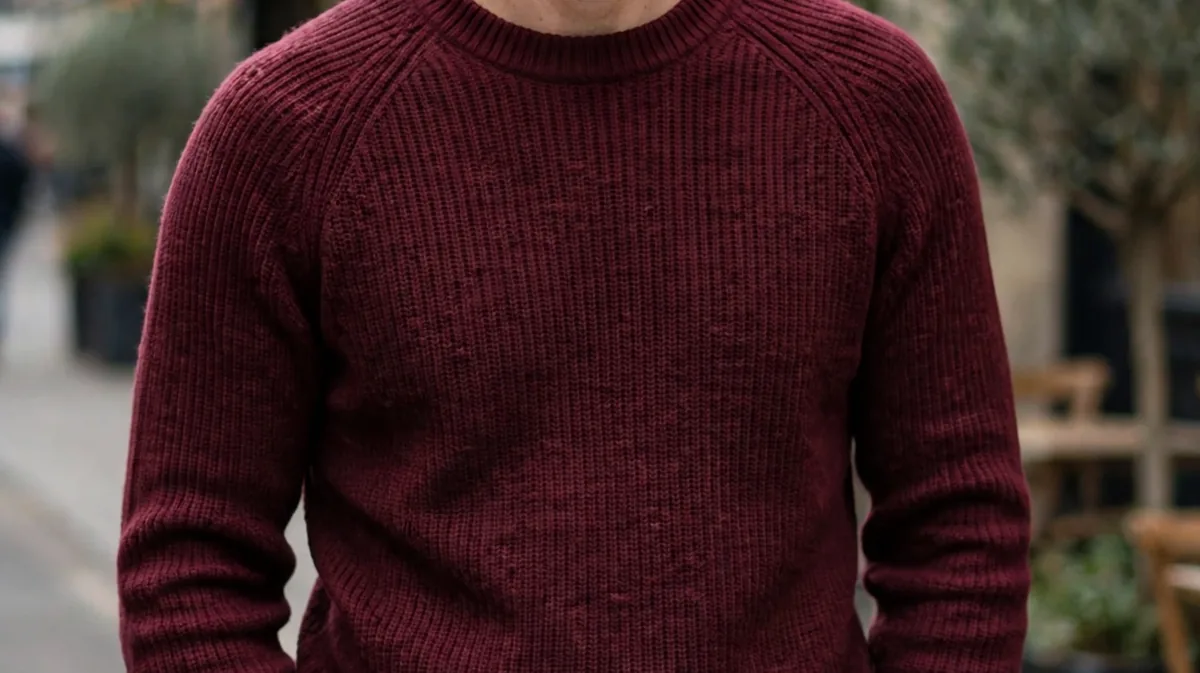
- Navy and white. Navy suit or blazer, white shirt, brown shoes, brown belt.
- Navy and brown. Navy trousers, white or light blue shirt, brown shoes, brown belt.
- Grey and burgundy. Grey suit or trousers, white shirt, burgundy tie or sweater, black shoes.
- Olive and beige. Olive jacket or trousers, beige tee shirt or shirt, white sneakers or tan shoes.
- Black and light grey. Black trousers, light grey shirt, black shoes.
- Light blue and navy. Light blue shirt, navy trousers, tan or brown shoes.
- Burgundy and stone. Burgundy sweater, stone color trousers, brown shoes.
Shirt and Trouser Combinations
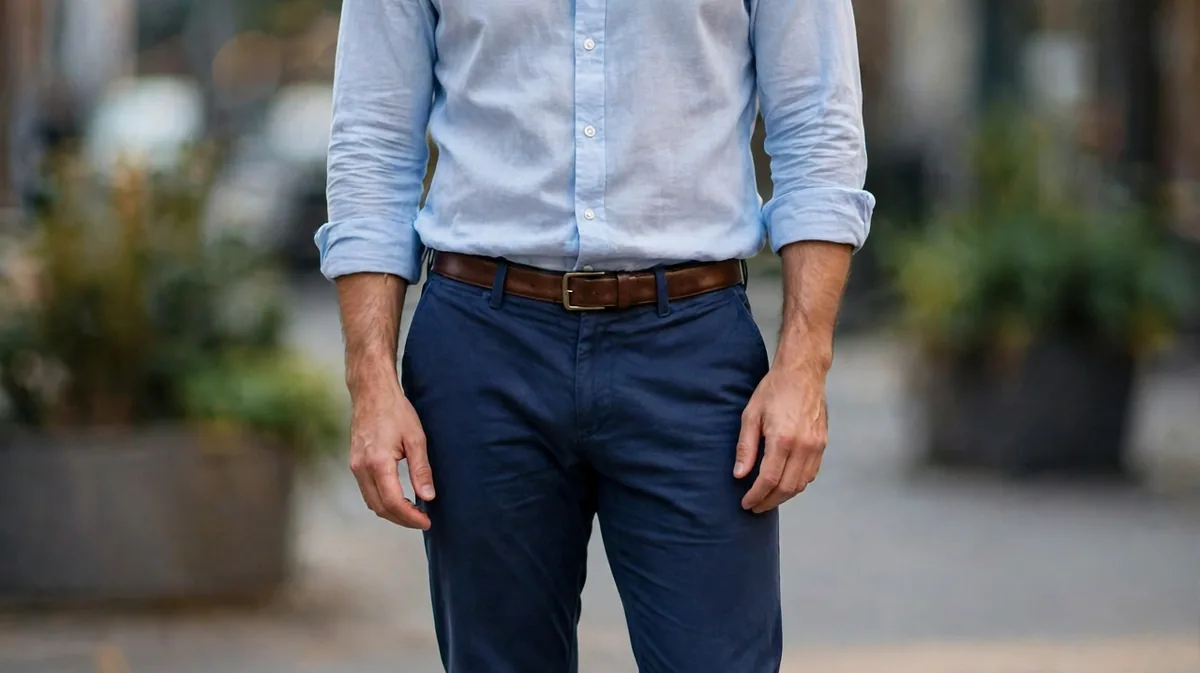
Knowing what color shirt goes with grey pants, and what color shirt goes with navy pants, will build most of your weekday wardrobe.
Navy trousers with white shirt and brown shoes.
Navy trousers with light blue shirt and tan shoes.
Grey trousers with white shirt and black shoes.
Grey trousers with light blue shirt and dark brown shoes.
Black trousers with white shirt and black shoes.
Beige trousers with navy shirt and white sneakers.
Brown trousers with off white shirt and brown shoes.
Olive trousers with beige shirt and white sneakers.
Dark trousers pair well with light shirts. Light trousers pair well with darker or muted shirts. If both pieces are dark, add a light shirt or light shoes for contrast.
Suit Combinations

Navy suit shirt colors are the easiest place to start, because navy accepts almost every classic shirt color. For a navy suit, choose a white shirt for formal days and a light blue shirt for office days. Brown shoes suit a navy suit in the daytime, while black shoes suit it for formal evenings. For a grey suit, choose a white shirt, black shoes and a grey or burgundy tie. For a black suit, choose a white shirt, black shoes and a black or dark grey tie, and save it mainly for formal evenings. For help choosing the right cut as well as the right color, read how to choose the perfect suit for your body type.
Casual Combinations
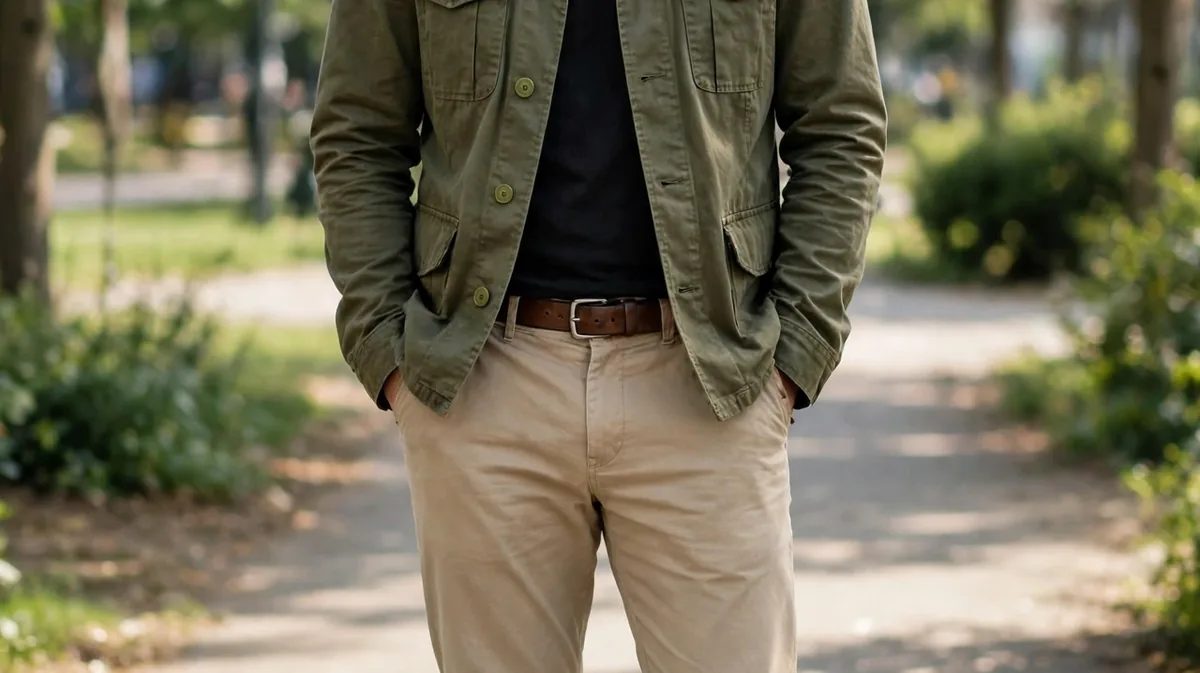
Casual matching follows the same rules, with softer fabrics and lighter shoes. A navy tee shirt with beige chinos and white sneakers is a clean weekend outfit. An olive jacket with a white tee shirt, dark denim and tan shoes works for a day out. For a fuller guide to relaxed but smart outfits, read smart casual dress code for men.
Shoes and Belt Matching
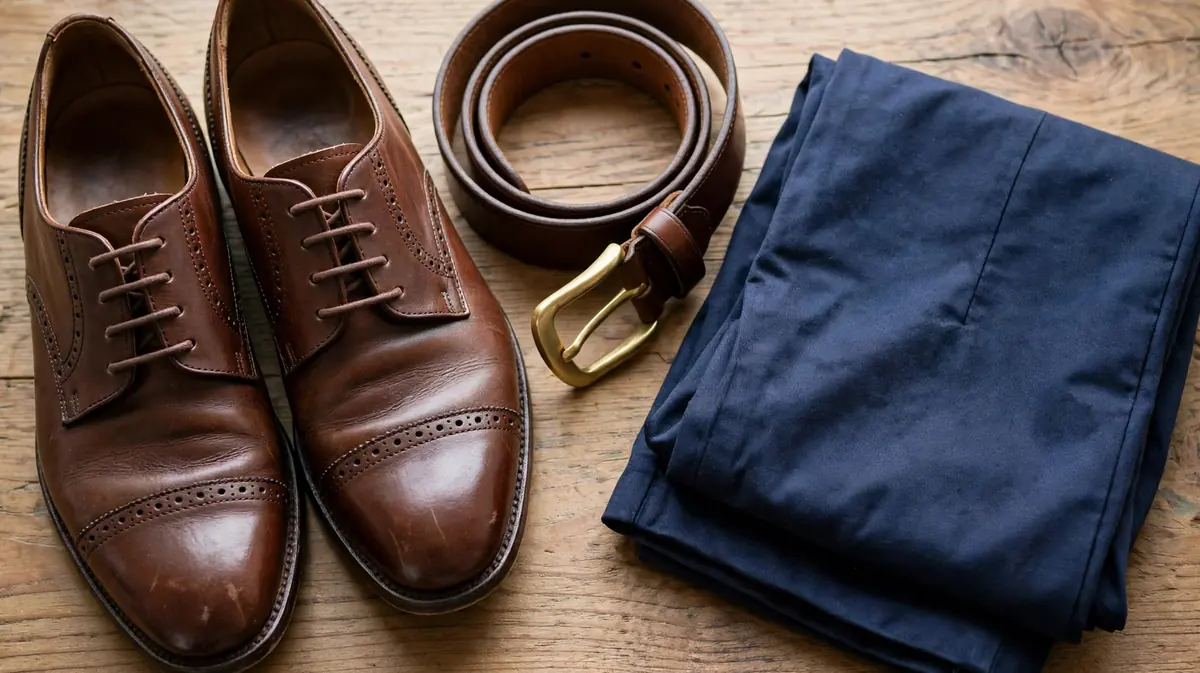
Match shoes and belt by color family, not by exact shade. Brown shoes go with a brown belt in a similar tone. Black shoes go with a black belt. Tan shoes go with a tan or light brown belt. Navy outfits pair well with brown shoes and tan shoes. Grey outfits pair well with black shoes and dark brown shoes. Black outfits pair well with black shoes. For more shoe examples by outfit, read how to match mens shoes with different outfits.
Skin Tone and Contrast in Honest Terms
What matters most is contrast, not a strict rule about skin tone. High contrast means light and dark pieces together, such as a white shirt with navy trousers. Low contrast means similar tones together, such as a light grey shirt with light beige trousers. High contrast outfits tend to look sharper. Low contrast outfits tend to look softer. If shirt and trousers blend into one block, add a darker jacket or a lighter shirt. Avoid claims that one color suits one skin tone for everyone.
Mistakes to Avoid
- Matching everything exactly. A shirt, tie and shoes in the exact same shade can look forced.
- Using too many bright colors at once. One bright or rich color is enough.
- Treating black as if it goes with everything in daylight. Black works best in the evening or with a light shirt.
- Ignoring the season. Heavy dark colors can feel too strong on a bright summer day.
- Forgetting shoes. Shoes are a large visual area, so choose them as part of the palette.
- Buying a bright piece with nothing to pair it with. Check it pairs with at least two pieces you already own.
Build a Small Palette From Clothes You Already Own
Lay out your favorite trousers, shirts and shoes. Most men will see a pattern, usually navy, grey, black or beige as a base. Write down those base colors, then add one or two supporting colors you already like, such as light blue, burgundy or olive. That list becomes your palette. When you shop next, buy only pieces that fit it.
Frequently Asked Questions
What color shirt goes with grey pants?
A white shirt is the safest choice. A light blue shirt is also excellent for office days.
What color shirt goes with navy pants?
A white shirt and a light blue shirt are the two best choices. An off white shirt works for daytime, and a light grey shirt works for smart casual days. Brown or tan shoes will finish both combinations well.
How many colors should an outfit have?
Two or three color families are enough for most outfits. One dominant color, one supporting color and one small accent is a good limit. A fourth strong color often makes an outfit look busy.
Final Thoughts
Color matching for men is not about talent or expensive clothes. It is about a small neutral base, one supporting color at a time, and shoes that belong to the same color family as the rest of the outfit. Start with navy, grey and white, add light blue, burgundy or olive when you feel ready, and use the combinations in this guide until they feel natural. When you want more ideas about how colors relate to each other, read the color wheel guide for menswear as a useful reference. Pick one combination this week and build your palette from there.